Natural Remedies for Diabetes Management: Cinnamon, Gymnema, Alpha-Lipoic Acid, Chromium and Cloves have all proven very useful remedies in diabetes management.
Studies Show that Gymnema sylvestre is a Natural Remedy for Diabetes Management.
Studies show that Gymnema Sylvestre helps control both type 1 diabetes and type 2 diabetes. Gymnema is a well-proven natural treatment for diabetes, and it has been used for this purpose for over 2,000 years and has proved to be very effective in type 1 diabetes.
In human studies, the most common doses of Gymnema sylvestre used for blood sugar control were 400 mg to 600 mg per day.
Gymnema sylvestre is commonly added to many different herbal combination products, but the majority of studies used GS4, a standardized product that contains only gymnema sylvestre. Standardization by the manufacturer should assure the same amount of active ingredient in every batch of the commercial preparation. (DrugDigest).
Doses of 400 mg to 600 mg per day correlates to about 8 to 12 grams per day of the dried herb in tablet form. Therefore taking 4 grams in tablet form two to three times a day would give a total daily dose of 8 to 12 grams. Some practitioners find Gymnema works best when taken before meals.
A WebMD Medical News article (9 October 2000) related the story of a 71-year-old woman whose doctor had prescribed a widely used drug glyburide (Micronase) used to stimulate the pancreas to make insulin, which can help control blood sugar in a person with type 2 diabetes.
According to the woman she was frequently hitting blood sugar highs and lows. She had been using the drug for six years but fours years prior to the abovementioned report she had dumped glyburide and started taking the herbal product Beta Fast GXR which contains the herb Gymnema without her doctor’s knowledge for three of those years.
She said her doctor may not have noticed the change because her blood sugar checks always turned out so well. The woman also watches her diet and tests her blood sugar daily. (WebMD Medical News 9/10/2000).
So what is Gymnema?
Gymnema (Gymnema sylvestre) is a climbing plant that grows in open woods and bushland at an altitude of m in India, China, Indonesia, Japan, Malaysia, Sri Lanka, Vietnam and South Africa. Gymnema is also known as gurmar, gurmabooti, periploca of the woods, and meshasringi (ram’s horn). The Hindu word gurmar best describes the primary use of gymnema.
“Gurmar” translates in English as “sugar destroyer”. The translation is literal: When Gymnema is applied to the mouth, it prevents the taste buds from perceiving sweet tastes. Chewing chocolate is like chewing butter. Grains of sugar are like grains of sand. Gymnema is a well-proven treatment for diabetes, and it has been used for this purpose for over 2,000 years.
In my own clinical experience, I have found Gymnema to be the best herb available for treating this condition and controlling excessive blood sugar levels. (Kerry Bone, FNIMH, FNHAA, Nutrition and Healing Newsletter, January 2002).
Gymnema is best known for its apparent ability to lower blood sugar levels.
Results from case reports and studies in humans and animals suggest that it may work in several ways to help control both type 1 and type 2 diabetes.
First, the acids contained in gymnema sylvestre seem to decrease the amounts of sugar that are absorbed from foods. As a result, blood sugar levels may not increase as much as usual after meals.
Secondly, gymnema sylvestre may promote the production of insulin by the body. It is possible that gymnema sylvestre may even prompt the pancreas to develop more beta cells - the source of insulin. It may also make body cells more responsive to the insulin that is available. (DrugDigest).
The first scientific confirmation of Gymnema’s effects on glucose in human diabetics was in 1926 when it was demonstrated that the leaves of Gymnema reduced urinary glucose. (K.G. Gharpurey, Indian Medical Gazette 1926; 61: 155).
Four years later it was shown that GS (Gymnema sylvestre) had a blood glucose lowering effect when there was residual pancreatic function, but was without effect in animals lacking pancreatic function, suggesting a direct effect on the pancreas.
Despite the promise of these initial results, scientific inquiry into the effect of GS on diabetics was not seriously resumed until 1981 when it was again demonstrated that oral administration of the dried leaves of GS brings down blood glucose and raises serum insulin levels, recorded during an oral glucose tolerance test in diabetic animals and healthy human volunteers. (Parenting Naturally).
An unusual attribute of Gymnema sylvestre of great interest is its ability to lower blood sugar by increasing insulin output by apparently regenerating beta cells which are the cells that manufacture and secrete insulin.
As abnormalities in beta cell number and/or function are directly related to both Type 1 and Type 2 diabetes, it appeared that Gymnema sylvestre was a major discovery in the battle against one of the most common disorders in the world.
In 1990 researchers at the University of Madras in India orally administered Gymnema extract to on group of diabetic rats while another group acted as controls and were not given Gymnema.
A toxic agent was used to chemically destroy the insulin producing beta cells in the pancreas of each rat thereby causing diabetes.
In the group of rats receiving Gymnema leaves in any form, whole or extracted, their fasting blood glucose levels returned to normal within 20 to 60 days.
In addition, their insulin levels rose toward normal levels and the number of beta cells in the pancreas (the cells that manufacture and secrete insulin) increased. Their findings were published in the Journal of Ethnopharmacology. (J Ethnopharmacol. 1990 Oct;30(3):265-79).
Another 1990 study by researchers at Kobe University School of Medicine, Japan, and published in the journal Diabetes Research and Clinical Practice, concluded that gymnema is useful in the treatment of type 2 diabetes.
Diabetic rats were divided into two groups and fed either a normal diet or one supplemented with an extract of Gymnema. After four weeks the rats supplemented with the Gymnema extract showed reduced glucose levels in the “fed state” and an improvement in glucose tolerance. (Diabetes Res Clin Pract. 1990 May-Jun; 9(2): 143-8).
Of course, what works well in test animals may not work in the same way or at all in humans, but this is not the case with Gymnema sylvestre. There have been numerous human clinical trials that have all had positive results.
In a 1990 study, researchers at the University of Madras in India, 22 patients with type 2 diabetes who were non-insulin-dependent were given 400 milligrams of Gymnema extract daily, in two divided doses, in addition to their normal dose of oral hypoglycemics for 18 to 20 months.
Ages ranged from 40 to 62 years and disease duration from 1 to 12 years. Over the duration of treatment, Gymnema significantly lowered fasting blood glucose levels (average of 174mg/dl to 124mg/dl).
Participants in the Gymnema group also had a significant reduction in hemoglobin A1c. (Hemoglobin A1C is tested to monitor the long-term control of diabetes and is increased in the red blood cells of persons with poorly controlled diabetes. From this test clinicians can estimate the average blood glucose level during the preceding two to four months. The target for most people is below 7).
Twenty-one of the 22 diabetic patients were able to reduce their intake of drugs, while five patients were able to stop their conventional drugs completely, maintaining normal glucose levels with the Gymnema supplements alone.
Also, their Insulin levels increased significantly compared to those on drugs alone. The authors suggested that this increase in insulin levels was probably due to regeneration or repair of beta cells facilitated by Gymnema.
All of the above contrasts significantly to the diabetic group on drugs alone. Their fasting glucose and hemoglobin A1c had elevated slightly and their drug doses either stayed the same or rose over the trial period. (J. Ethnopharmacol. 1990 Oct; 30(3): 295-300).
The above study demonstrates that the use of Gymnema may result in the need for smaller doses of oral diabetes drugs to control the disease. However, it is important that people with this disease don’t abandon proven ways to manage it, from a healthy diet to regular exercise and medications when needed.
In another study in 1990 carried out by the same research group at the University of Madras, India, 27 participants with insulin-dependent type 1 diabetes, ages from 10 to 50 years and with varying disease duration, were supplemented with 400 milligrams of Gymnema extract daily in two divided doses.
All were using daily insulin injections. After 6 to 8 months of treatment with the Gymnema extract the average insulin requirements were decreased from 60 to 45 units per day and fasting blood glucose levels were lowered.
In fact, one patient with a type 1 diabetes duration of 10 years and another with a lesser duration were able to discontinue insulin usage completely. These improvements continued through out the trial till its completion.
One has to find it remarkable that, compared to conventional treatment, patients with type 1 diabetes for 25 years responded equally as well as those who had been diagnosed for only one year when given the Gymnema extract supplement. So, there appears to be no time limitation on Gymnema use to still receive benefits.
This contrasts significantly to the diabetic group not taking Gymnema and receiving insulin alone for a year. Their insulin requirements either remained the same or increased and their average insulin usage was almost double that of the Gymnema group. Also, the drop in fasting blood glucose was statistically insignificant in this group.
In addition, cholesterol levels also returned to near normal levels and triglycerides were lowered in the group taking Gymnema. (J. Ethnopharmacol. 1990 Oct; 30(3): 281-94).
In 1997 Japanese researchers at the Nippon Veterinary and Animal Science University, Tokyo, Japan, decided to test Gymnema inodorum, since it has an advantage that it does not suppress sweetness nor is it bitter in taste.
Their conclusions, published in The Journal of Veterinary Medical Science, was that their studies suggested Gymnema inodorum inhibits the increase in the blood glucose levels by interfering with the intestinal glucose absorption process. (J Vet Med Sci. 1997 Sep; 59(9): 753-7).
In a study, published in the Diabetes In Control Newsletter (30/10/2001), conducted by Diabetes Educators, under the protocols established by Diabetes in Control and Informulab of Omaha, NE, the makers of Beta Fast GXR®, Gymnema Sylvestre was found to lower HbA1c from 10.1% to 9.3%.
HbA1c or Hemoglobin A1C is tested to monitor the long-term control of diabetes and is increased in the red blood cells of persons with poorly controlled diabetes. From this test clinicians can estimate the average blood glucose level during the preceding two to four months. The target for most people is below 7.
The study included 65 participants with type 2 diabetes, some diet controlled others insulin dependent, ages 18 to 73 and was conducted for a ninety day period. Patients were given Beta Fast GXR® brand of Gymnema Sylvestre containing 400mg leaf extract per tablet twice daily.
An interesting observation made by the researchers was that the higher the participants initial HbA1c values (and therefore the less controlled their diabetes) the more significant the results.
In the group of participants that started with an HbA1c above 10% the Gymnema Sylvestre supplementation lowered HbA1c from 11.1% to 9.9% (1.2% decrease) compared with the group that started at 9% or above, HbA1c was lowered from 10.1% to 9.3% (0.8% decrease). (Diabetes In Control Newsletter, Issue 76 (1) : 30 Oct 2001).
The reduction of HbA1c in this study is of great importance as an improvement in glycemic control reduces the risk of complications from diabetes.
Glycemic control is a medical term referring to the typical levels of blood sugar (glucose) in a person with diabetes type 2.
Much evidence suggests that many of the long-term complications of diabetes, especially the microvascular (smaller blood vessels) complications, result from many years of hyperglycemia (elevated levels of glucose in the blood). Good glycemic control, in the sense of a “target” for treatment, has become an important goal of diabetes care. (Wikipedia).
In 2003 researchers, reporting in the journal Pharmacological Research, found that Oral administration of 200 mg of Gymnema montanum extract per kg of body weight to diabetic rats for 3 weeks resulted in a significant reduction in blood glucose levels and an increase in insulin levels.
There was also a decrease in free radical formation in the blood of the diabetic rats.
Supplementing with Gymnema montanum resulted in an increase in glutathione (which has many functions in a cell include activating certain enzymes and destroying toxic compounds and chemicals that contain oxygen). Vitamin C and vitamin E levels were also increased thereby clearly showing the antioxidant properties of Gymnema montanum.
These effects were compared with glibenclamide, an anti-diabetic drug (Diabeta®, Glynase® Micronase® Daonil®, Semi-Daonil® Euglucon®. Also sold in combination with metformin under the trade name Glucovance®.) The researchers concluded that the results suggest that Gymnema montanum extract was more effective than the drug glibenclamide. (Pharmacological Research. 2003 Dec; 48(6): 551-6).
Why is this antioxidant activity of Gymnema so important in diabetes management?
The above study shows that Gymnema appears to recycle available vitamin C and E.
The prevalent long term depletion of vitamin C, common in diabetes, may contribute to depressed immune function, compromised wound healing ability and reduced blood vessel integrity. These and other related aliments can possibly be arrested and reversed by vitamin C supplementation. (Dr. Brian Jakes, Jr. Diabetes In Control July 2002).
C-reactive protein is linked to cardiovascular disease in people with diabetes.
“Having both diabetes and an elevated C-reactive protein (CRP) level compounds one’s risk of developing cardiovascular disease, for which people with diabetes are at particularly high risk,” scientists writing in the American Journal of Nursing report in their review. (Life Extension Foundation Daily News 10/04/06).
Vitamin C supplements can reduce levels of C-reactive protein, a marker of inflammation and chronic disease risk in humans, according to a new study led by researchers at the University of California, Berkeley.
Participants who took about 500 milligrams of vitamin C supplements per day saw a 24 percent drop in plasma C-reactive protein (CRP) levels after two months.
“C-reactive protein is a marker of inflammation, and there is a growing body of evidence that chronic inflammation is linked to an increased risk of heart disease, diabetes and even Alzheimer’s disease,” said Gladys Block, UC Berkeley professor of epidemiology and public health nutrition and lead author of the study.
The researchers say that long-term adverse health effects occur when inflammation persists at low levels. This chronic inflammation, with persistent elevated levels of CRP, has been found among smokers and Type 2 diabetics, as well as among overweight or obese persons.
The researchers noted that in other studies, higher doses of vitamin E produced lower CRP levels among Type 2 diabetics and healthy individuals. (Sarah Yang, Media Relations, University of California, Berkeley, 12/4/2004).
Recent clinical trials confirm the uses of typical antioxidants alone or in combination with other natural supplements may delay or even prevent the normal progression of diabetic complications.
Importantly, none of the participants in these studies reported any adverse side effects, although many patients developed hypoglycemia (low blood glucose) and required a lowering of their dose of conventional oral medication or insulin.
Therefore, any diabetic that uses GSE (Gymnema Sylvestre Extract) must carefully monitor blood glucose levels and adjust their medication, in consultation with their physician, to maintain desired blood glucose levels.
This is because improved insulin production and release during GSE supplementation may result in over-medication, and therefore low blood glucose levels, unless the dosage of conventional oral medication or insulin is lowered. Since most diabetics monitor their blood glucose levels on a daily basis, this shouldn’t present a problem.
Japanese researchers conducted a study in 2004 using both male and female rats to determine Gymnema sylvestre toxicity.
One group of rats was fed a normal diet, the other group supplemented with Gymnema at increasing doses for 52 weeks. The researchers concluded there were no toxic effects in rats treated with Gymnema sylvestre at up to 1.00% in the diet for 52 weeks. This equated to an average of 504 mg/kg/day for male rats and 563 mg/kg/day for female rats daily intake over the period. (Shokuhin Eiseigaku Zasshi. 2004; 45(1):8-18).
What dose size of Gymnema is required to reduce blood glucose in humans efficiently?
This can vary widely depending on numerous factors including the specific type of herb used and the patient being treated.
Gymnema can work quite quickly to control blood sugar levels. Used on its own, it will not drop blood sugar so far as to cause hypoglycemia. However, there is the risk this could happen if it is used together with insulin or anti-diabetic drugs. So in these cases, Gymnema should only be taken under professional supervision. (Kerry Bone, FNIMH, FNHAA, Nutrition and Healing Newsletter, January 2002).
Aside from lowered blood sugar and increased effects of anti-diabetic drugs following chronic use of gymnema, no significant adverse effects have been reported with the herb, in several studies up to 20 months long.
Caution is advised in patients with diabetes or low blood sugar, and in those taking drugs, herbs, or supplements that affect blood sugar. Serum glucose levels may need to be monitored by a qualified healthcare professional, and medication adjustments may be necessary. (MedlinePlus).
Signs that blood sugar may be too low include shakiness, sweating, confusion, distorted speech, and loss of muscle control.
Studies Show that Cinnamon is a Natural Remedy for Diabetes Management.
Type 2 Diabetes - Cinnamon and Blood Sugar Levels - Several compounds isolated from cinnamon may one day become the key natural ingredients in a new generation of products aimed at lowering blood sugar levels in people with type 2 diabetes. The polyphenolic polymers in cinnamon bark have antioxidant effects, which may provide synergistic benefits to persons with various forms of diabetes.
In 2004 ARS scientists and colleagues isolated and characterized several polyphenolic polymer compounds from cinnamon bark that could one day become natural ingredients in products aimed at lowering blood sugar levels.
The newly identified chemical structures were recently named in a patent application and described in the Journal of Agricultural and Food Chemistry. ARS chemist Richard A. Anderson co-authored the study with colleagues at the Beltsville (Maryland) Human Nutrition Research Center and two universities.
Impaired sugar and fat metabolism is present in millions of people and may lead to type-2 diabetes and cardiovascular diseases. In test tube assays using fat cells, the polyphenolic polymers were found to increase sugar metabolism a whopping 20-fold.
Insulin is a hormone made by the pancreas to regulate sugar metabolism. In people with type-2 diabetes, either the pancreas doesn't make enough insulin or the body is unable to use it correctly. Both conditions lead to unhealthy blood levels of sugar that would otherwise provide energy to muscles.
During a decade of efforts to find natural compounds that could help maintain normal blood sugar levels, the scientists tested several components of cinnamon. The newly characterized chemical structures are closely related to a previously reported chemical derivative of cinnamon, MHCP—methylhydroxychalcone polymer. The researchers also tested scores of other plant extracts, but none displayed insulin-enhancing activity near that of cinnamon.
"These new compounds increase insulin sensitivity by activating key enzymes that stimulate insulin receptors, while inhibiting the enzymes that deactivate them," says Anderson, who is with the Nutrient Requirements and Functions Laboratory.
"Polyphenols are known for their antioxidant, anticancer, and anti-inflammatory functions, but they have not been commonly known to improve insulin function," he says. "The polyphenolic polymers in cinnamon bark have antioxidant effects, which may provide synergistic benefits to persons with various forms of diabetes."
The researchers reported that less than a half-teaspoon of cinnamon daily for 40 days reduced by about 20 percent the blood sugar, cholesterol and triglyceride levels of 60 volunteers in Pakistan with Type 2 diabetes.
Table cinnamon is made from cinnamon bark and contains both water-soluble and fat-soluble compounds. Fat-soluble compounds may accumulate in the body if ingested over a long period.
At this time, there is no data on potential effects of long-term ingestion of table cinnamon. But the newly defined chemical structures noted above are isolated from water extracts of cinnamon and appear to be nontoxic in any quantity, according to Anderson.
He is with the BHNRC's Nutrient Requirements and Functions Laboratory in Beltsville.
"Insulin Imitators: Polyphenols Found in Cinnamon Mimic Job of Hormone" was published in the April 2004 issue of Agricultural Research magazine. Source: Rosalie Marion Bliss, United States Department Of Agriculture, USDA, Agricultural Research Service Information Staff. Used with permission.
Studies Show that Alpha-Lipoic Acid is a Natural Remedy for Diabetes Management.
One of alpha-lipoic acid's primary uses is to treat nerve damage, including diabetic neuropathy, a dangerous long-term complication of diabetes that causes pain and loss of feeling in the limbs.
Alpha lipoic acid enhances glucose uptake in type 2 diabetes, inhibits glycosylation (the abnormal attachment of sugar to protein), and has been used to improve diabetic nerve damage and reduce pain associated with that nerve damage. (Free Radic Biol Med 1995;19:227-50).
Over the past 20 years, the number of adults diagnosed with diabetes has more than doubled, and children are being diagnosed with diabetes in alarming numbers. Diabetes has rapidly emerged as a leading culprit in the epidemic of heart disease that is sweeping the country, and it is a leading cause of amputation and blindness among adults.
As a powerful antioxidant, alpha lipoic acid positively affects important aspects of diabetes, including blood sugar control and the development of long-term complications such as disease of the heart, kidneys, and small blood vessels. (Arzneimittelforschung. 1995 Aug;45(8):872–4; Free Radic Biol Med. 1999 Aug;27(3-4):309–14; J Am Soc Nephrol. 2002 Jan;13(1):108–16; Diabetes Care. 1995 Aug;18(8):1160–7; Biochem Biophys Res Commun. 2005 Jan 7;326(1):197–202).
Lipoic acid plays a role in preventing diabetes by reducing fat accumulation.
In animal studies, lipoic acid reduced body weight, protected pancreatic beta cells from destruction, and reduced triglyceride accumulation in skeletal muscle and pancreatic islets (Expert Opin Investig Drugs. 2004 Dec;13(12):1641–3; Biochem Biophys Res Commun. 2005 Jan 7;326(1):197–202).
It's difficult, however, to obtain therapeutic amounts of this vitamin like substance through diet alone. Instead, many experts recommend using supplements to get the full benefits of alpha lipoic acid.
Alpha lipoic acid is an approved treatment for diabetic neuropathy in Germany. Many studies in both animals and humans have produced promising results with lipoic acid in preventing diabetic neuropathy. It has been used for years for this purpose in Europe.
German researchers, reporting in the journal Free Radical Biology & Medicine, conducted a placebo-controlled study of 72 patients with type-2 diabetes. Some participants were supplemented with alpha-lipoic acid in various doses while the others were given a placebo (sugar pill).
They concluded that the results suggest oral administration of alpha-lipoic acid can improve insulin sensitivity by 25% after 4 weeks of treatment in patients with type-2 diabetes. All benefited from lowered glucose levels. There were no significant differences among the three doses of Alpha lipoic acid, suggesting that 600 mg/day may be the maximum effective dose. (Free Radic Biol Med. 1999 Aug;27(3-4):309-14).
Alpha lipoic acid speeds the removal of glucose from the bloodstream, partly by enhancing insulin function, and it reduces insulin resistance, a foundation of many cases of coronary heart disease and obesity.
In the treatment of diabetes, the recommended dose is 300 to 600 mg daily. Alpha lipoic acid supplementation is very safe. In over 30 years of extensive use and testing in European clinical trials in the treatment of diabetic neuropathy, there have been no reported side effects. (Quillin,1998, Murray, 1996).
Because alpha-lipoic acid has been associated with improved blood sugar control, people with diabetes should follow their blood sugar levels carefully when taking this supplement in order to avoid hypoglycemia (low blood sugar). Your doctor may decide that a reduction in dosage of insulin or oral blood sugar-lowering drugs is needed if you are taking this supplement.
It should also be noted that 600 mg/day doses were mainly used for diabetic neuropathy. Lower doses can be effective in diabetes blood sugar control, especially when included with other products such as gymnema, vanadium, bitter melon, fenugreek and chromium (which itself helps prevent and possibly reverse diabetic neuropathy).
Many healthcare practitioners suggest a limit of 100 milligrams per day unless specifically advised for a specific condition such as diabetes.
Alpha lipoic acid has a dual role in human health; it is a powerful antioxidant and is a key component for producing cellular energy. It is involved in the metabolic process of converting carbohydrates into energy. Carbohydrates, protein and fat are all broken down and formed into ATP, the universal energy source used by the body.
Alpha-lipoic acid assists the body’s energy production and acts as a powerful antioxidant, helping to treat diabetic neuropathy (nerve-damage caused by the disease), protecting the liver, preventing cataracts, boosting immune function, and possibly helping to slow the progression of Alzheimer’s disease.
Because alpha-lipoic acid can pass easily into the brain, it has protective effects on the brain and nerve tissue and shows promise as a treatment for stroke and other brain disorders involving free radical damage.
It has been suggested that alpha lipoic acid may slow aging of the brain and that it may be an anti-aging substance in general.
In the November 2006 edition of Diabetes Care, researchers from Russia and Israel reported on a 5 week randomized, double-blinded, placebo-controlled trial using alpha lipoic acid in 181 patients suffering with high blood sugar and damaged nerve endings.
Researchers measured various symptoms including stabbing and burning pain, tingling and numbness in the feet in these patients who suffered with malfunction of the peripheral nerves.
The groups that received alpha lipoic acid 600 mg to 1,800 mg daily had an overall reduction in symptoms by about 50% compared to the placebo group. (Diabetes Care. 2006 29: 2365-2370).
Evidence indicates that 150 mg of alpha lipoic acid, taken daily for one month, improves visual function in people with glaucoma. (Vestn Oftalmol 1995;111:6-8).
Researchers have demonstrated, in a 16-week randomized trial, that lipoic acid, in oral doses of 600 milligrams daily for eight weeks, significantly inhibits the oxidation of LDL-cholesterol in healthy humans.
In addition, our supplies of several different antioxidants, including vitamins E and C, cannot be successfully maintained in the absence of lipoic acid. It appears to recycle available vitamin C and E.
Other antioxidants seem to benefit equally from the presence of lipoic acid. These antioxidants include coenzyme Q, glutathione, and NADH (a form of niacin). Because lipoic acid is used to help regulate blood sugar, individuals with diabetes may be at special risk of deficiency. (Worlds Healthiest Foods).
Conclusions from various studies – From 2004 - 1992:
Alpha-Lipoic acid supplementation represents an achievable adjunct therapy to help prevent vision loss in diabetic patients. (Diabetes. 2004 Dec; 53(12): 3233-8).
The blood pressure-lowering effect of lipoic acid in fructose rats may be related to improvement in insulin sensitivity. (J-Comp-Physiol-[B]. 2004 Nov; 174(8): 587-92).
The combined antioxidant and hypoglycemic (lowering the concentration of glucose in the blood) actions of lipoic acid both may contribute to its utility in preventing renal (kidney) injury and other complications of diabetes. (J-Am-Soc-Nephrol. 2002 Jan; 13(1): 108-16).
These data indicate that lipoic acid is effective in the prevention of early diabetic glomerular injury (capillary blood vessels in the kidneys) and suggest that this agent may have advantages over high doses of either vitamin E or vitamin C. (J-Am-Soc-Nephrol. 2001 Jan; 12(1): 124-33).
…recent trials have demonstrated that lipoic acid improves glucose disposal in patients with type II diabetes. In experimental and clinical studies, lipoic acid markedly reduced the symptoms of diabetic pathologies, including cataract formation, vascular damage, and polyneuropathy [Polyneuropathy is a neurological disorder that occurs when many peripheral nerves throughout the body malfunction simultaneously]. (Nutrition. 2001 Oct; 17(10): 888-95).
The results suggest that oral administration of alpha-lipoic acid can improve insulin sensitivity in patients with type-2 diabetes. (Free-Radic-Biol-Med. 1999 Aug; 27(3-4): 309-14).
These data provide evidence that treatment with alpha-lipoic acid improves significantly the imbalance between increased oxidative stress and depleted antioxidant defence even in patients with poor glycemic control and albuminuria. (Free-Radic-Biol-Med. 1999 Jun; 26(11-12): 1495-500). Albuminuria is the presence of excessive protein (chiefly albumin but also globulin) in the urine; usually a symptom of kidney disorder.
In conclusion, intravenous treatment with alpha-lipoic acid (600 mg/day) over 3 weeks is safe and effective in reducing symptoms of diabetic peripheral neuropathy, and oral treatment with 800 mg/day for 4 months may improve cardiac autonomic dysfunction in NIDDM [non insulin dependant diabetes mellitus – type 2 diabetes]. (Diabetes. 1997 Sep; 46 Suppl 2S62-6).
This is the first clinical study to show that alpha-lipoic acid increases insulin stimulated glucose disposal in NIDDM [non insulin dependant diabetes mellitus – type 2 diabetes]. The mode of action of ALA and its potential use as an anti-hyperglycemic agent require further investigation. (Arzneimittelforschung. 1995 Aug; 45(8): 872-4).
These results suggest a potential for the therapeutic use of lipoic acid against diabetes-induced complications. (Free-Radic-Res-Commun. 1992; 17(3): 211-7).
Studies Show that Cloves are a Natural Remedy for Diabetes Management.
One of two studies presented at the Experimental Biology 2006 meeting, in San Francisco, demonstrated that extracts of cloves were found to improve the function of insulin and to lower glucose, total cholesterol, LDL and triglycerides in people with type 2 diabetes.
Earlier studies had shown these positive effects in laboratory studies; the study presented at Experimental Biology provides the first evidence of these beneficial effects in humans taking the equivalent of one to two cloves per day.
Dr. Alam Khan, Agricultural University, Peshawar, Pakistan, a former postdoctoral student and Fulbright Fellow in the Anderson laboratory, reports the first study of the effect of cloves on insulin function in humans. (Medical News Today 9/4/2006).
The clove study involved 36 men and women diagnosed with type 2 diabetes. Three groups of patients consumed either one, two or three grams of cloves for 30 days in capsule form, while a fourth consumed none of the spice.
At the end of the study, regardless of the amount of cloves consumed, all those who ingested cloves showed a drop in glucose, triglycerides and LDL (“bad”) cholesterol levels. Blood levels of HDL (“good”) cholesterol were not affected among the clove eaters. Those who did not ingest cloves experienced no changes. (HealthDay News 5/4/2006).
Dr. Khan says the finding that intake of 1 to 3 grams of cloves per day lowered risk factors of diabetes without changing HDL [cholesterol] concentration suggest strongly that cloves are beneficial for people with type 2 diabetes. (Medical News Today 9/4/2006).
“The people who would benefit the most are those who have impairments in their blood sugar,” said Anderson. “These are the 40 million people with metabolic syndrome who are pre-diabetic, people with type 2 diabetes, and even the severely diabetic and the severely overweight - although they may not benefit as much because the impairments in their insulin are much, much worse.” (HealthDay News 5/4/2006).
Co-authors of the study in addition to Dr. Khan and Dr. Anderson are Dr. Syed Saceed Qadir, Agricultural University, Peshawar, Pakistan, and Dr. Khan Nawaz Khattak, HMC, Hayatabad, Peshawar, Pakistan. The research was supported by the Higher Education Commission of Pakistan.
“This abstract extends this work to humans and demonstrates that consumption of as little as 1 g of cloves by people with type 2 diabetes leads to improvements in blood sugar, insulin, cholesterol, and triglycerides,” Anderson commented. “The major contribution of this study is that it demonstrated that consumption of cloves may be important in the alleviation of diabetes and cardiovascular diseases in humans.” (Medscape Medical News April 4, 2006).
Cloves contains significant amounts of an active component called eugenol, which has made it the subject of numerous health studies, including studies on the prevention of toxicity from environmental pollutants like carbon tetrachloride, digestive tract cancers, and joint inflammation.
Clove also contains a variety of flavonoids, including kaempferol and rhamnetin, which also contribute to clove’s anti-inflammatory (and antioxidant) properties. Cloves are an excellent source of manganese, a very good source of dietary fiber, vitamin C and omega-3 fatty acids and a good source of calcium and magnesium. (WHF The George Mateljan Foundation).
Indian researchers, reporting in the journal Prostaglandins, Leukotrienes, and Essential Fatty Acids in 2000, compared the antioxidant properties of seven spice extracts (garlic, ginger, onion, mint, cloves, cinnamon and pepper).
They found the highest antioxidant activities in cloves, followed by cinnamon, pepper, ginger, garlic, mint and onion. The antioxidant activity of these spice extracts were retained even after boiling for 30 min at 100 degrees C, indicating that the active components are not destroyed by heat. (Prostaglandins, Leukotrienes, and Essential Fatty Acids 2000 Feb;62(2):107-10).
Studies Show that Chromium is a Natural Remedy for Diabetes Management.
In 1957, a compound in brewers’ yeast was found to prevent an age-related decline in the ability of rats to maintain normal levels of sugar (glucose) in their blood. Chromium was identified as the active ingredient in this so-called “glucose tolerance factor” (GTF) in 1959.
In the 1960s, chromium was found to correct glucose intolerance and insulin resistance in deficient animals, two indicators that the body is failing to properly control blood-sugar levels and which are precursors of type 2 diabetes. (National Institutes of Health).
New research suggests that rather than being a part of the GTF, chromium is at the centre of a very small protein molecule that helps activate insulin receptors in our body’s cells. If this is true, then it means that chromium may help insulin work more effectively in the cells of our bodies.
Studies show that people with type 2 diabetes have lower blood levels of chromium than those without the disease. Chromium picolinate, specifically, has been shown to reduce insulin resistance and to help reduce the risk of cardiovascular disease and type 2 diabetes.
Chromium in the diet is affected by many factors such as source, processing, and method of preparation. Thus, data on food composition are unlikely to provide a valid measure of the chromium status. (Diabetes Care. 2004 Sep;27(9):2211-6).
Not all chromium supplements are equal.
Science News Online reported in April 2005 that Robert DiSilvestro and Emily Dy of Ohio State University showed data at the Experimental Biology 2005 meeting in San Diego indicating that only the picolinate form of chromium is absorbed well by the body.
The report stated that according to Robert DiSilvestro about 40 percent of chromium picolinate was absorbed by people taking chromium supplements in one experiment. DiSilvestro added that absorption of other forms of the mineral in supplements ran as low as 1 percent and only about 10 percent of any form of chromium in foods is typically absorbed. (Science News Online 16/4/2005; Vol. 167, No. 16).
Additionally, an animal study conducted at the U.S. Department of Agriculture and published in the Journal of the American College of Nutrition found that chromium picolinate was better absorbed by the tissues (e.g., liver and muscle) than chromium nicotinate and chromium chloride.
Absorption into the tissue is important because for a mineral to be beneficial, it must survive the digestive tract and reach the bloodstream. Otherwise, minerals pass through the body, leaving it void of necessary nutrients. (Medical News Today 7/2/2007).
Three hospitalized patients who were fed intravenously showed signs of diabetes (including weight loss, neuropathy, and impaired glucose tolerance) until chromium was added to their feeding solution.
The chromium, added at doses of 150 to 250 mcg/day for up to two weeks, corrected their diabetes symptoms. Chromium is now routinely added to intravenous solutions. (NIH, Office of Dietary Supplements: Dietary Supplement Fact Sheet: Chromium).
A 1999 British study published in the Journal of Trace Elements in Medicine and Biology supported these findings.
The researchers found that blood levels of chromium are lower in diabetic subjects, with average levels of blood plasma chromium 33% lower in 93 type 2 diabetic participants compared with healthy participants.
The researchers suggested that large losses of chromium over many years may worsen an already compromised chromium status in people with diabetes type 2 and might contribute to the developing of insulin resistance seen in these patients. (Journal of Trace Elements in Medicine and Biology 13:57–61, 1999).
This was again supported by a 2001 Austrian study published in the journal Biological Trace Element Research which reported significantly lower chromium levels in the blood of type 2 diabetic individuals compared with non diabetic healthy people. (Biological Trace Element Research 79:205–219, 2001).
In 1979 Richard A. Anderson, PhD, a U.S. Department of Agriculture nutrition research scientist together with his colleagues conducted a large human trial with 180 participants (men and women) with type 2 diabetes.
All participants continued to take their normal medications and were instructed to continue with their normal eating and living habits.
They were divided into three groups, one of which took 1000 micrograms of chromium daily in two divided doses for four months. The second group took 200 micrograms of chromium daily in divided doses while the other group was given a placebo.
A significant improvement in HbA1c levels was observed after only 2 months in the group taking 1000 micrograms of chromium and in both groups taking chromium after 4 months. (Hemoglobin A1C is tested to monitor the long-term control of diabetes and is increased in the red blood cells of persons with poorly controlled diabetes. From this test clinicians can estimate the average blood glucose level during the preceding two to four months. The target for most people is below 7).
Fasting glucose was also lower after 2 months in the group taking the higher dose of chromium and in both groups taking chromium after 4 months. Total cholesterol also decreased after 4 months in the group taking 1000 micrograms of chromium daily. (Diabetes. 1997 Nov; 46(11):).
The body’s chromium content may be reduced under several conditions.
Diets high in simple sugars (comprising more than 35% of calories) can increase chromium excretion in the urine. Infection, acute exercise, pregnancy and lactation, and stressful states (such as physical trauma) increase chromium losses and can lead to deficiency, especially if chromium intakes are already low. (NIH Office of Dietary Supplements).
Scientists believe that insulin uses chromium as an assistant (technically, a cofactor) to “unlock the door” to the cell membrane, thereby allowing glucose to enter the cell.
More than 15 scientific studies support the safety and role of chromium in improving insulin function and glucose metabolism in people with type 2 diabetes and related conditions. “There is strong scientific evidence to suggest that supplemental chromium picolinate may improve insulin sensitivity, blood glucose control, and cardiovascular risk factors in adults with type 2 diabetes,” according to Dr. Kaufman, former president of the American Diabetes Association and specialist in pediatric endocrinology. (PRNewswire-FirstCall 15/2/2005).
In 2004 a researcher from Louisiana State University System and another from Harvard School of Public Health reviewed the literature to date and noted as part of their review that two of the three studies that failed to document significant positive effects of chromium on insulin or glucose metabolism used a poorly absorbed inorganic formulation, and the third administered a very low dose of chromium picolinate. (Reviewed in Diabetes Care. 2004 Nov;27(11):2741-51).
Too little chromium can mean not enough insulin, which leads to poor use of blood sugar. When this happens, the body uses fats, instead of glucose, for energy. Consequently, there’s a reserve of cholesterol left in the blood, creating a veritable garbage dump in the arteries. (Brenda D. Adderly, M.H.A.)
If you take people in the general population with slightly elevated blood sugar and give them chromium supplements, you’ll see a drop in blood sugar in 80 to 90 percent of them. (Dr. Richard A. Anderson, U.S. Department of Agriculture).
Copyright 2007 Kevin Flatt. Reproduction of any information on other websites is PROHIBITED.
Disclaimer: The information and opinions on this website is for information purposes only and is believed to be accurate and sound, based on the best judgment available to the author. Readers should consult appropriate health professionals on any matter relating to their health and well-being. Readers who fail to consult appropriate health authorities assume the risk of any injuries.
References:
Shanmugasundaram ER, Gopinath KL, Radha Shanmugasundaram K, Rajendran VM. Possible regeneration of the islets of Langerhans in streptozotocin-diabetic rats given Gymnema sylvestre leaf extracts. J Ethnopharmacol. 1990 Oct;30(3):265-79.
Okabayashi, Y : Tani, S : Fujisawa, T : Koide, M : Hasegawa, H : Nakamura, T : Fujii, M : Otsuki, M. Effect of Gymnema sylvestre, R.Br. on glucose homeostasis in rats. Diabetes Res Clin Pract. 1990 May-Jun; 9(2): 143-8.
Baskaran, K : Kizar Ahamath, B : Radha Shanmugasundaram, K : Shanmugasundaram, E R. Antidiabetic effect of a leaf extract from Gymnema sylvestre in non-insulin-dependent diabetes mellitus patients. J. Ethnopharmacol. 1990 Oct; 30(3): 295-300.
Shanmugasundaram, E R : Rajeswari, G : Baskaran, K : Rajesh Kumar, B R : Radha Shanmugasundaram, K : Kizar Ahmath, B. Use of Gymnema sylvestre leaf extract in the control of blood glucose in insulin-dependent diabetes mellitus. J. Ethnopharmacol. 1990 Oct; 30(3): 281-94.
Shimizu, K : Ozeki, M : Tanaka, K : Itoh, K : Nakajyo, S : Urakawa, N : Atsuchi, M. Suppression of glucose absorption by extracts from the leaves of Gymnema inodorum. J Vet Med Sci. 1997 Sep; 59(9): 753-7.
Ananthan,-R; Baskar,-C; NarmathaBai,-V; Pari,-L; Latha,-M; Ramkumar,-K-M. Antidiabetic effect of Gymnema montanum leaves: effect on lipid peroxidation induced oxidative stress in experimental diabetes. Pharmacol-Res. 2003 Dec; 48(6): 551-6.
Joffe DJ, Freed SH. Effect of extended release gymnema sylvestre leaf extract (Beta Fast GXR) alone or in combination with oral hypoglycemics or insulin regimens for type 1 and type 2 diabetes. Diabetes In Control Newsletter 2001;76 (1).
Ogawa Y; Sekita K; Umemura T; Saito M; Ono A; Kawasaki Y; Uchida O; Matsushima Y; Inoue T; Kanno J. Gymnema sylvestre leaf extract: a 52-week dietary toxicity study in Wistar rats. Shokuhin Eiseigaku Zasshi. 2004; 45(1):8-18.
Rosalie Marion Bliss, United States Department Of Agriculture, USDA, Agricultural Research Service Information Staff.
http://www.medicalnewstoday.com/medicalnews.php?newsid=41026
http://www.healthday.com/Article.asp?AID=531953
Shobana S, Naidu KA. Antioxidant activity of selected Indian spices. Prostaglandins Leukot Essent Fatty Acids. 2000 Feb;62(2):107-10.
http://www.whfoods.com/genpage.php?tname=foodspice&dbid=69
Murcia MA, Egea I, Romojaro F, Parras P, Jimenez AM, Martinez-Tome M. Antioxidant evaluation in dessert spices compared with common food additives. Influence of irradiation procedure. J Agric Food Chem. 2004 Apr 7;52(7):1872-81.
Rajpathak S, Rimm EB, Li T, Morris JS, Stampfer MJ, Willett WC, Hu FB. Lower toenail chromium in men with diabetes and cardiovascular disease compared with healthy men. Diabetes Care. 2004 Sep;27(9):2211-6.
Lukaski H. C. Chromium as a supplement. Annu. Rev. Nutr. 1999;19:279-301
Jeejeebhoy KN. The role of chromium in nutrition and therapeutics and as a potential toxin. Nutr Rev. 1999 Nov;57(11):329-35.
Anonymous. A scientific review: the role of chromium in insulin resistance. Diabetes-Educ. 2004; Suppl: 2-14.
Davies S, McLaren Howard J, Hunnisett A, Howard M. Age-related decreases in chromium levels in 51,665 hair, sweat, and serum samples from 40,872 patients--implications for the prevention of cardiovascular disease and type II diabetes mellitus. Metabolism. 1997 May;46(5):469-73.
Ding W, Chai Z, Duan P, Feng W, Qian Q: Serum and urine chromium concentrations in elderly diabetics. Biol Trace Elem Res 63:231–237, 1998.
Morris BW, MacNeil S, Hardisty CA, Heller S, Burgin C, Gray TA: Chromium homeostasis in patients with type II (NIDDM) diabetes. J Trace Elem Med Biol 13:57–61, 1999.
Ekmekcioglu C, Prohaska C, Pomazal K, Steffan I, Schernthaner G, Marktl W: Concentrations of seven trace elements in different hematological matrices in patients with type 2 diabetes as compared to healthy controls. Biol Trace Elem Res 79:205–219, 2001.
Wallach S. Clinical and biochemical aspects of chromium deficiency. J Am Coll Nutr. 1985;4(1):107-20.
Anderson, R A : Cheng, N : Bryden, N A : Polansky, M M : Cheng, N : Chi, J : Feng, J. Elevated intakes of supplemental chromium improve glucose and insulin variables in individuals with type 2 diabetes. Diabetes. 1997 Nov; 46(11):.
Anderson, R A. Essentiality of chromium in humans. Sci-Total-Environ. 1989 Oct 1; 86(1-2): 75-81.
Preuss HG, Anderson RA.Chromium update: examining recent literature. Curr Opin Clin Nutr Metab Care. 1998 Nov;1(6):509-12. Review.
Anderson, R A. Chromium, glucose tolerance, and diabetes. Biol-Trace-Elem-Res. 1992 Jan-Mar;.
Kumpulainen JT. Chromium content of foods and diets. Biol Trace Elem Res. 1992 Jan-Mar;32:9-18. Review.
Anderson, R A. Recent advances in the clinical and biochemical effects of chromium deficiency. Prog-Clin-Biol-Res. 1993;.
Anderson, R A. Chromium, glucose intolerance and diabetes. J Am Coll Nutr. 1998 Dec; 17(6): 548-55.
Reviewed in Cefalu WT, Hu FB. Role of chromium in human health and in diabetes. Diabetes Care. 2004 Nov;27(11):2741-51. Review.
Anderson, R A. Essentiality of chromium in humans. Sci-Total-Environ. 1989 Oct 1; 86(1-2): 75-81.
Anderson RA. Chromium in the prevention and control of diabetes. Diabetes Metab. 2000 Feb;26(1):22-7. Review.
Jeejeebhoy KN, Chu RC, Marliss EB, Greenberg GR, Bruce-Robertson A: Chromium deficiency, glucose intolerance, and neuropathy reversed by chromium supplementation, in a patient receiving long-term total parental nutrition. Am J Clin Nutr 30:531–538, 1977.
National Institutes of Health, Office of Dietary Supplements: Dietary supplement fact sheet: Chromium. Accessed March 29, 2006.
Ghosh,-D.; Bhattacharya,-B.; Mukherjee,-B.; Manna,-B.; Sinha,-M.; Chowdhury,-J.; Chowdhury,-S. Role of chromium supplementation in Indians with type 2 diabetes mellitus. J Nutr Biochem. 2002 Nov;13(11):690-697.
Rabinovitz,-H; Friedensohn,-A; Leibovitz,-A; Gabay,-G; Rocas,-C; Habot,-B. Effect of chromium supplementation on blood glucose and lipid levels in type 2 diabetes mellitus elderly patients. Int-J-Vitam-Nutr-Res. 2004 May; 74(3): 178-82.
PRNewswire Feb 6, 2006 Chromium Picolinate Helps Muscles Use Blood Sugar Insulin to Work Better
http://www.medicalnewstoday.com/printerfriendlynews.php?newsid=62312
FDA Approves First Qualified Health Claim for Chromium Picolinate Diabetes
Martin J, Wang ZQ, Zhang XH, Wachtel D, Volaufova J, Matthews DE, Cefalu WT. Chromium picolinate supplementation attenuates body weight gain and increases insulin sensitivity in subjects with type 2 diabetes. Diabetes Care. 2006 Aug;29(8):1826-32.
Anonymous. A scientific review: the role of chromium in insulin resistance. Diabetes-Educ. 2004; Suppl: 2-14.
Abraham, A S : Brooks, B A : Eylath, U. The effects of chromium supplementation on serum glucose and lipids in patients with and without non-insulin-dependent diabetes. Metabolism. 1992 Jul; 41(7): 768-71.
Rajpathak S, Rimm EB, Li T, Morris JS, Stampfer MJ, Willett WC, Hu FB. Lower toenail chromium in men with diabetes and cardiovascular disease compared with healthy men. Diabetes Care. 2004 Sep;27(9):2211-6.
Vrtovec M, Vrtovec B, Briski A, Kocijancic A, Anderson RA, Radovancevic B. Chromium supplementation shortens QTc interval duration in patients with type 2 diabetes mellitus. Am Heart J. 2005 Apr;149(4):632-6.


 Subscribe in a reader



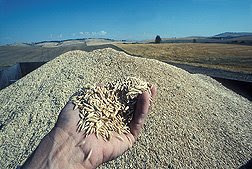 Most patients with celiac disease can eliminate their symptoms by life-long adherence to a gluten-free diet. This means no wheat, rye, barley, and, until recently, no oats in their diet. Some recent studies suggested that oats did not cause the intestinal inflammation characteristic of celiac disease, and therefore oats are now often included in the celiac disease diet.
 Researchers have for the first time determined that some component of table grapes prevented the progression of type 1 diabetes in mice and increased their survival. Susan Zunino’s experiment apparently is the first to show a link between eating grapes and preventing progression of type 1 diabetes. That was in contrast to diabetic mice that were not fed grapes.
 Portobello and Other Mushroom Facts: Americans love mushrooms, now more than ever. Per capita mushroom consumption in the United States increased from 3.7 pounds in 1993 to 4.2 pounds in 2000. Sales of the U.S. mushroom crop totalled 851 million pounds, and consumers spent $912 million on them. Mushrooms are a good source of selenium, potassium, and copper, and some types have significant amounts of three B-complex vitamins.
 Facts about Food Irradiation: The irradiation process involves passing food through an irradiation field; however, the food itself never contacts a radioactive substance. Also, the ionizing radiation used by irradiators is not strong enough to disintegrate the nucleus of even one atom of a food molecule.


